
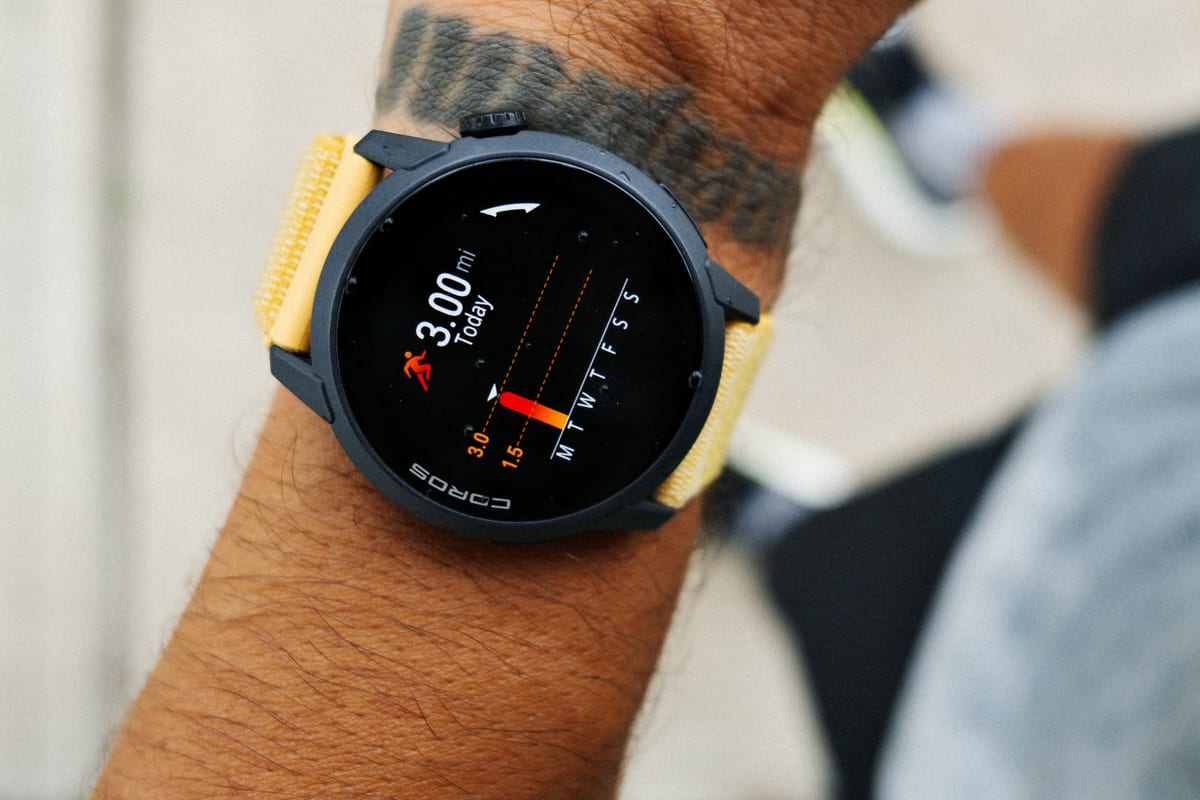
What HRV Actually Tells You About Readiness
RMSSD is a genuinely useful signal and a badly abused one. How to read heart-rate variability without over-claiming.
Read the note — What HRV Actually Tells You About ReadinessResearch notes
Short technical write-ups on the measurements we sell and the ones we distrust. We publish the caveats alongside the methods, including the places where our own outputs are weaker than the interface makes them look. None of this is peer-reviewed research; it is the reasoning behind product decisions, written down so clients can argue with it.
All notes
Ordered newest first. Each one exists because a client asked a version of the question and the honest answer took more than an email.
RMSSD is a genuinely useful signal and a badly abused one. How to read heart-rate variability without over-claiming.
Read the note — What HRV Actually Tells You About Readiness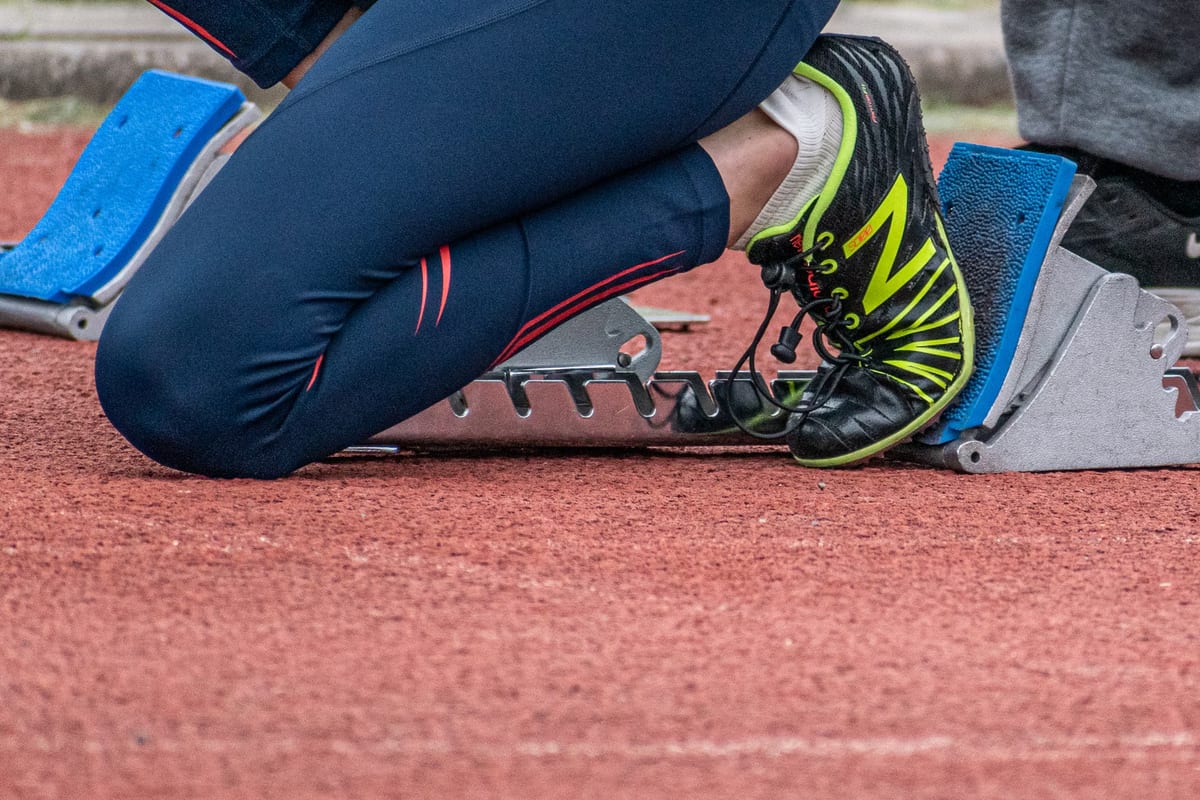
What a single trunk-mounted inertial unit can and cannot say about left-right differences in maximal running.
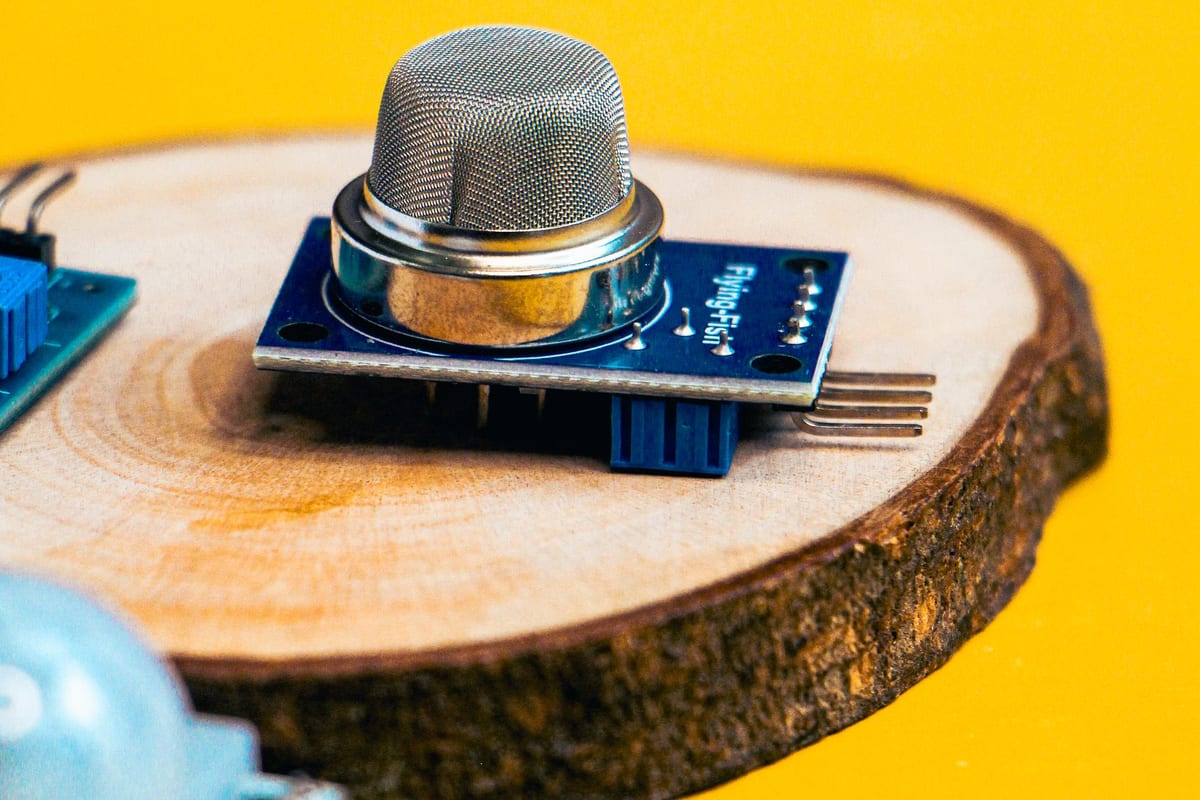
Read the note — Detecting Sprint Asymmetry From IMU DataSoft-tissue artefact, harness tension and pod orientation cost you more accuracy than any algorithm gains back.
Read the note — Why Sensor Placement Decides Your Data Quality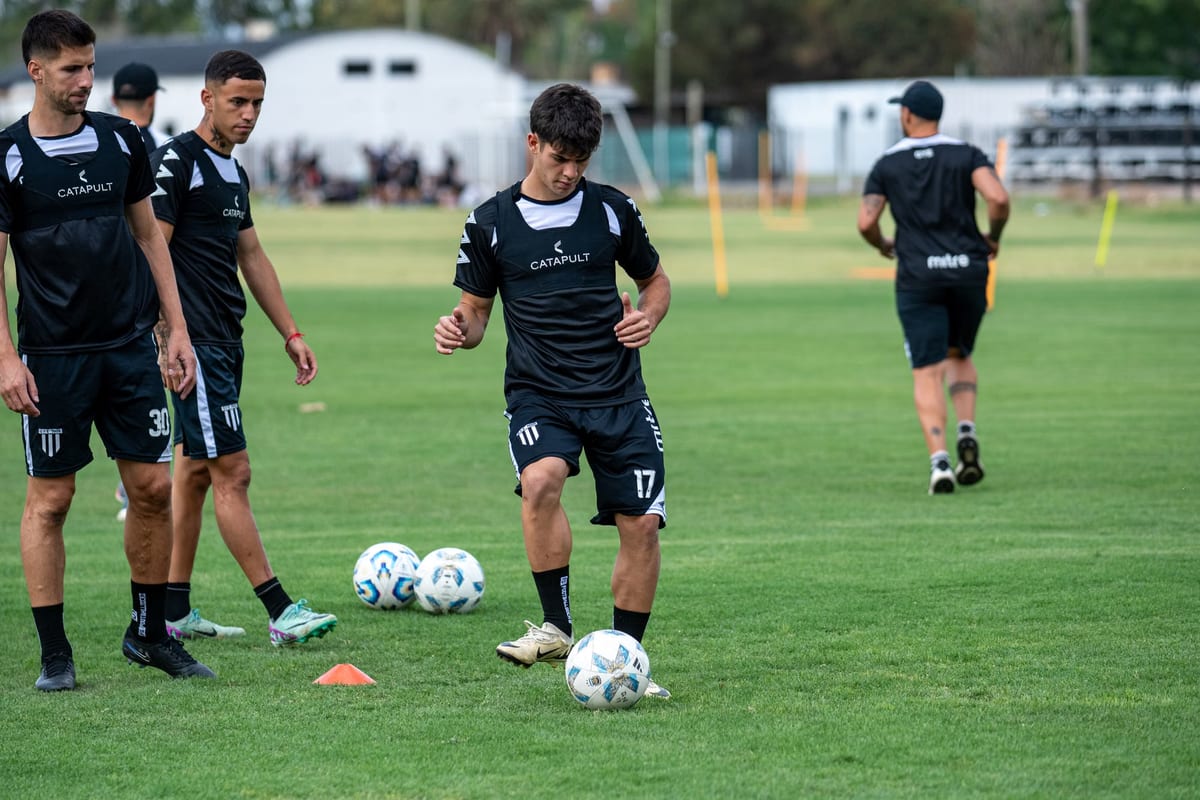
ACWR earned its popularity and its statistical criticisms. A working guide to using it without being misled.
Read the note — The Acute:Chronic Workload Ratio and Its Limits
Consumer-grade sleep staging is weaker than its dashboards suggest. What still holds up, and what to ignore.
Read the note — Reading Sleep and Recovery Data Honestly
Contracts, consent, transfers and deletion: the governance questions that arrive long before the technical ones.
Read the note — Who Owns an Athlete's Data?Editorial policy
If we cannot describe how a number was produced, we do not publish the number. That rule removes most of what a sports-technology company would otherwise want to say.
We do not publish a client's injury rates or performance outcomes as evidence that our product works. Confounding in a single squad-season is overwhelming, and the athletes did not consent to being a case study.
Every note that describes a capability also describes where it fails. A limitation section that a competitor could quote against us is the point, not an oversight.
Recurring themes
Read the six notes and the same disagreements keep surfacing. They are worth stating plainly, because they explain most of the design decisions in the platform as well.
A plausible idea becomes a formula, the formula acquires a threshold, the threshold acquires a colour, and within two seasons a coloured cell is influencing selection in a way the original evidence never supported. The acute:chronic workload ratio is the best-documented case, but the pattern is general: every step of compression discards the caveats that made the original claim defensible.
Almost every measurement worth taking in a performance department is a measurement of change within one person. Between-athlete comparison of RMSSD, of asymmetry indices, of impact magnitudes — all of them carry between-subject variation large enough to swamp the effect you were looking for. Population thresholds imported from a paper on a different sport with different equipment are worse than no threshold at all.
Departments spend their evaluation effort on sample rates and their operational effort on almost nothing. Harness tension, pod orientation, consistent mounting convention and a fit check every pre-season buy more accuracy than any specification upgrade available to purchase.
Every club that deploys monitoring eventually faces the questions in Who Owns an Athlete's Data? — usually during a transfer window, usually with no policy in place. The technical controls are the easy part; the contractual and consent questions need answering before the first pod is fitted, not after.
Our applied-science team would rather have the argument than not. Send the objection and we will answer it properly, whether or not you become a client.