
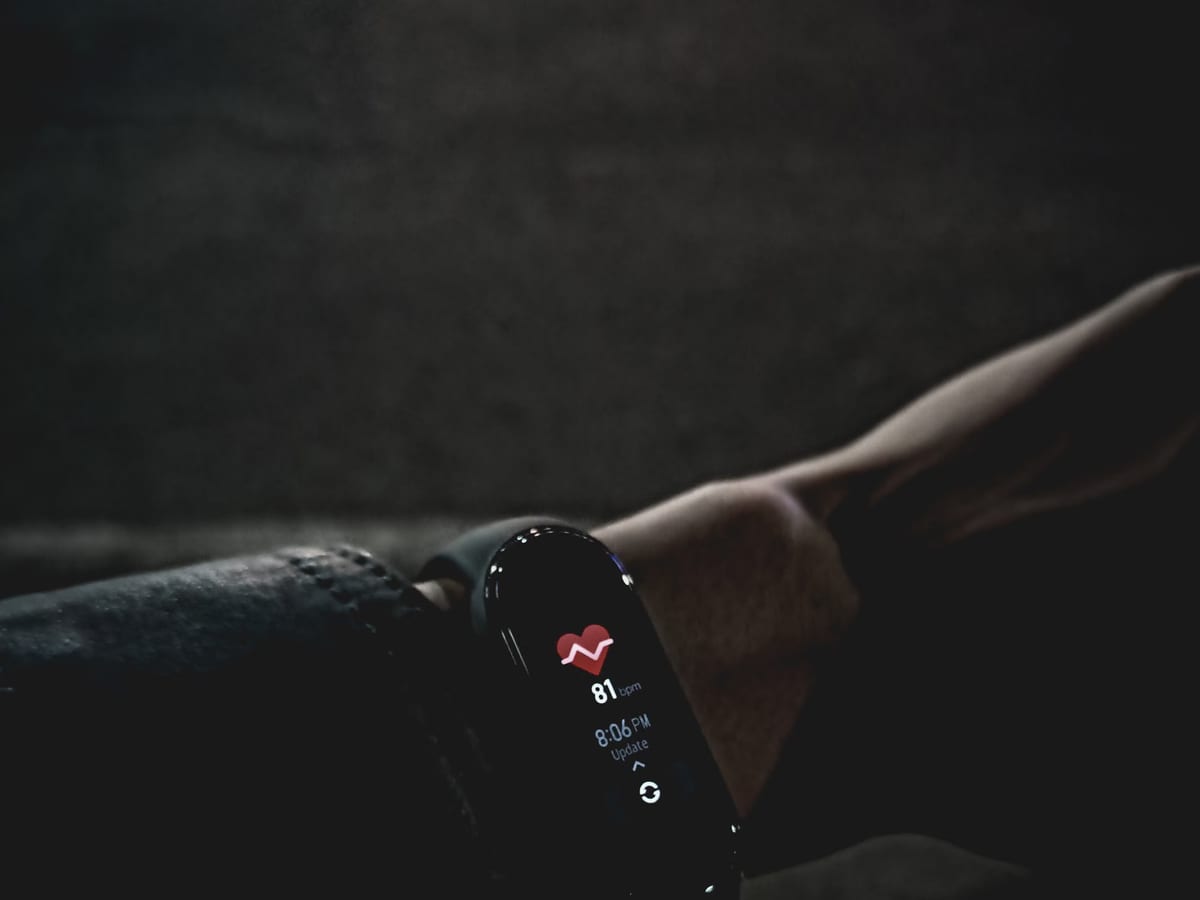
Wearable Telemetry Units
Body-worn sensor pods with 1000 Hz inertial capture, dual-band GNSS and an indoor local positioning fallback.
Module detail — Wearable Telemetry UnitsModule 03 · Markerless Motion Capture
Joint kinematics from synchronised cameras — no suit, no marker set, no laboratory booking, and an honest statement of where the error lives.
Marker-based optical motion capture remains the reference standard for joint kinematics, and nothing here claims to replace it for laboratory biomechanics. What it cannot do is measure a full squad on a Tuesday. Attaching a marker set takes twenty minutes per athlete, requires a controlled volume, and changes the task — athletes do not sprint the way they normally sprint while covered in reflective markers inside a capture volume.
Markerless capture trades some accuracy for the ability to measure real movement in real settings. Our system uses four to eight hardware-synchronised cameras at 120 to 240 frames per second, calibrated to the capture volume with a standard wand routine. A convolutional pose model detects 2D keypoints per camera; triangulation across views produces a 3D skeleton of 37 keypoints; an inverse-kinematics stage fits a constrained body model to those points so that joint angles respect anatomical limits rather than floating freely.
Being specific about accuracy is more useful than a single headline figure, because error is not uniform across joints, planes or tasks. Sagittal-plane angles at large joints — knee flexion during running, hip flexion during a squat — are the strongest case. Frontal and transverse plane angles at the same joints are noticeably weaker, and small-joint or distal-segment rotation is the weakest of all. Occlusion makes everything worse, which is why camera count and placement matter more than model sophistication.
| Measurement | Confidence | Practical use |
|---|---|---|
| Sagittal knee & hip angle | High | Progression tracking, technique comparison over time |
| Trunk lean, stride geometry | High | Sprint mechanics, gait comparison against own baseline |
| Frontal plane knee angle | Moderate | Screening prompt only, not a diagnostic figure |
| Transverse rotation, distal segments | Low | Not reported as a numeric output |
We do not report values we cannot defend. Where a keypoint's triangulation confidence falls below threshold for a frame, the affected angle is marked as interpolated and excluded from summary statistics rather than quietly filled in.
A gym installation with four cameras around a lifting platform covers squat, deadlift and jump-landing analysis. A six-camera arrangement along a 40 m indoor straight covers acceleration and maximal-velocity sprint mechanics. Pitch-side portable rigs exist and work, but honestly: outdoor variable lighting, longer camera-to-subject distances and multiple overlapping athletes all degrade the result. We will tell you which of the three your question needs.
The most reliable use is intra-athlete comparison over time. An athlete's own sagittal knee angle at a matched running velocity, measured in the same rig with the same calibration, is a genuinely sensitive signal of change — through a rehabilitation progression, across a pre-season, or before and after a technical intervention. Comparing two different athletes, or the same athlete across two different rigs, introduces error terms that often exceed the difference you are trying to see.
The second good use is screening as a prompt. A frontal-plane pattern flagged during a jump-landing session is not a diagnosis; it is a reason for a clinician to look. Used that way, moderate confidence is entirely sufficient.
Capture is recorded and processed offline at roughly 1.4 times real time on our cloud pipeline, so a twelve-minute session is available in about seventeen minutes. Results land in the same athlete timeline as telemetry and load data, so a flagged mechanical change sits next to that week's exposure rather than in a separate report nobody opens.
Export is C3D for biomechanics tooling, CSV for joint-angle time series, and JSON through the API. Video is retained according to the retention period you set, with per-athlete consent recorded, because footage of an identifiable person in training kit is personal data under both GDPR and most club employment agreements.
No markerless system measures internal joint loading, muscle force or ligament strain. Those are modelled quantities with substantial assumptions. If a vendor offers you an ACL strain number from cameras alone, ask to see the validation.
Elsewhere on the chain
Body-worn sensor pods with 1000 Hz inertial capture, dual-band GNSS and an indoor local positioning fallback.
Module detail — Wearable Telemetry Units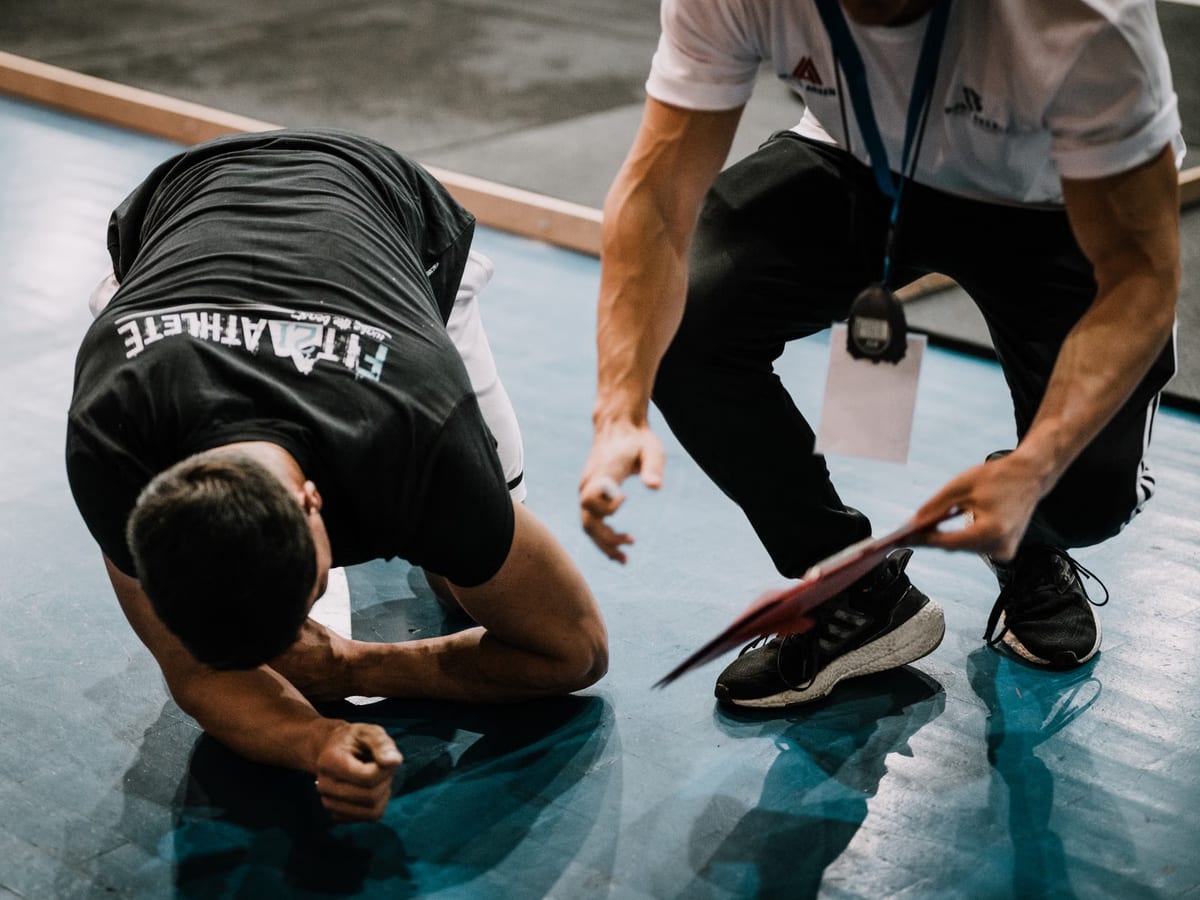
External and internal load in one model, with RMSSD-based readiness and honest uncertainty bands.
Module detail — Training Load & Readiness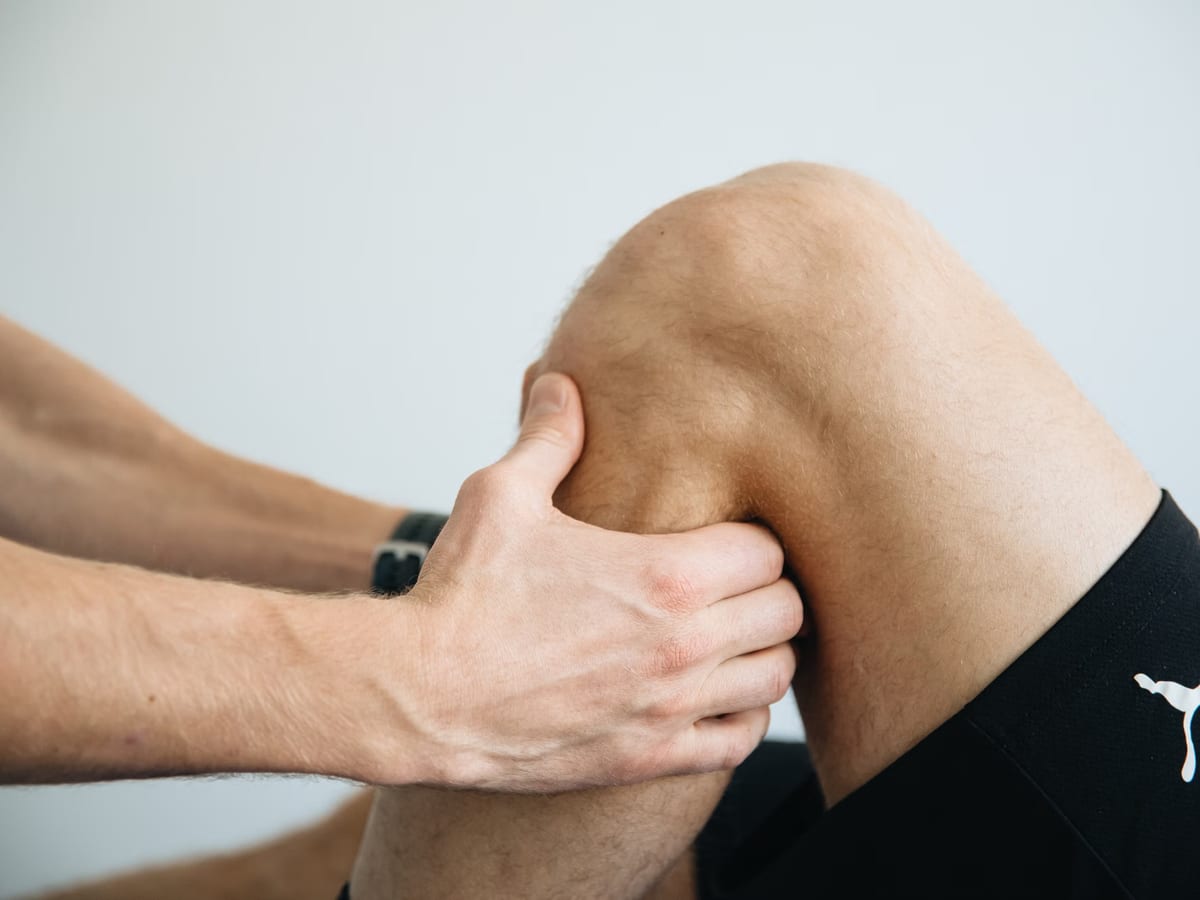
Survival models over exposure history that surface changing risk profiles instead of a single traffic light.
Module detail — Injury Risk ModellingForty-five minutes, one anonymised session file, and a straight answer about whether this module solves the problem you actually have.