
About us
A measurement company that happens to sell to sport
TechSport Ash LLC builds body-worn sensing hardware and the analytics platform behind it, from an office and test lab in Austin, Texas. We are engineers, applied physiologists and data scientists, and our product decisions are made by people who have had to defend a number in front of a coaching staff.
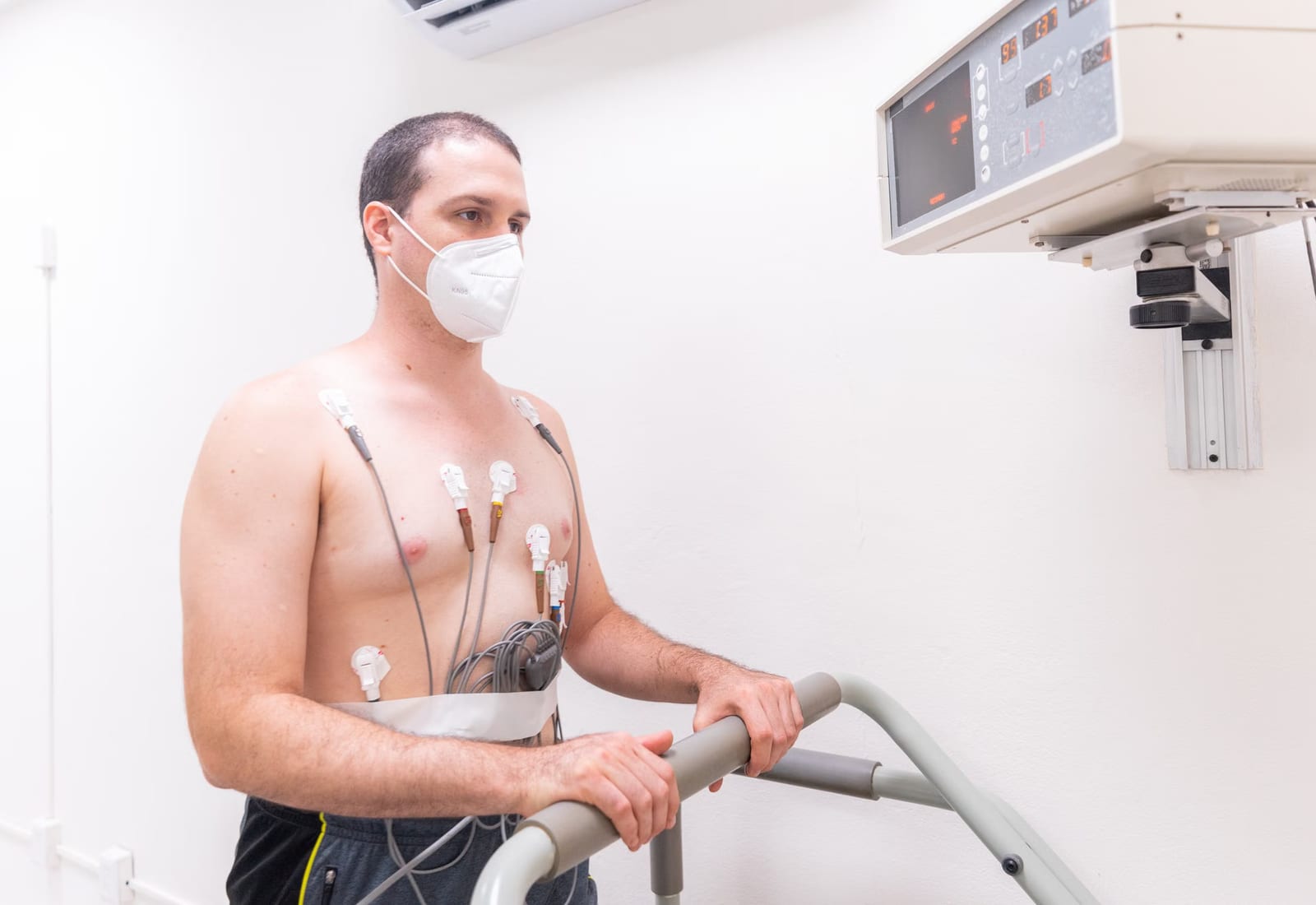
Why we exist
We started because the export button did not work
The founding frustration was mundane. A performance department wanted to reconcile two seasons of load data across a change of vendor, and discovered that the metrics did not reconcile, the thresholds had changed without notice, the raw data was not available in any usable form, and nobody could say which version of which algorithm had produced the figures on the older reports.
That is not an unusual story. Sports technology grew up quickly, sold hard, and accumulated a habit of presenting modelled estimates with the confidence of measurements. The result is a lot of departments who own a great deal of data they cannot fully trust and cannot fully move.
We built TechSport Ash around the opposite set of defaults: publish the schema, version the algorithms, show the uncertainty, and make the export the easiest thing in the product rather than the hardest. Some of those choices cost us features that would sell well. We think they are the reason clients stay.
How we work
Five habits that shape the product
These are the rules we argue about internally and enforce in code review. They explain both what the platform does well and the features it is missing.
Bench test before field claim
Every sensor specification we publish is measured on our own bench and validated in field conditions before it appears on a page. Where a figure varies with configuration — battery life, most obviously — we publish the condition alongside the number.
Never rewrite history silently
When a model changes, existing sessions keep the values they were computed with. Recomputation is an explicit action, both versions remain available, and the interface shows which is which.
Publish the limits
Every module page has a section describing what that module cannot do. It is written by the team who built it, and it is reviewed with the same seriousness as the capability claims.
Athletes are people, not data sources
Role-scoped access, per-field consent, exportable audit logs and a documented erasure process. We assume athlete representation will ask harder questions each year, and we would rather already have the answer.
No proof we cannot substantiate
We do not publish client injury rates, performance outcomes or satisfaction scores as evidence. Confounding in a single squad-season is overwhelming and the athletes did not consent to being a case study.
Say no at the scoping call
If your primary requirement is something we handle weakly, we would rather lose the deal than defend it in month four. That conversation happens before a contract, not after.
How the company grew
A short history
We are a hardware company that had to become a software company, which is a harder sequence than the reverse and shaped a lot of what follows.
-
FOUNDED
An engineering problem, not a market opportunity
TechSport Ash was formed in Austin by a group with backgrounds in inertial sensing, embedded firmware and applied sports physiology, initially to build a pod that recorded honestly rather than one that scored well in a demonstration.
-
FIRST HARDWARE
The pod, and then the problem
The first production pod shipped to a handful of elite-amateur programmes. It measured well and produced files nobody could use, which is how we learned that a sensor company without a pipeline is selling an unfinished product.
-
PLATFORM
Building the chain
Load modelling, then the analytics workspace, then markerless capture and injury-risk modelling — each added because clients were solving that step badly with spreadsheets, and each built on the same versioned, exportable foundation.
-
GOVERNANCE
Taking the data question seriously
Regional residency, per-field consent, role-scoped access and exportable audit logs were built out as athlete representation across professional sport began asking clubs harder questions about wearable data.
-
NOW
Six modules, one measurement chain
Clients across professional and elite-amateur team sport in North America, Europe and Australia, supported from Austin with regional data tenancies. Still deliberately a specialist, still not an athlete management system.
The team
Who you will actually deal with
We are small enough that the people who build the models are the people who answer your questions about them. There is no tier-one support layer between a client and an engineer.
Hardware engineering
Embedded firmware, sensor calibration, harness design and the bench test rig. They own the specification figures and are the reason we will not publish one we have not measured.
Applied physiology
Practitioners who have worked inside performance departments. They set the interpretation guidance, write most of the research notes, and push back hardest on features that would over-claim.
Data science
Survival modelling, signal processing and validation. They are responsible for the uncertainty intervals that clients sometimes ask us to remove, and for the answer being no.
What we needed was not another dashboard. It was a supplier who would tell us which of their own numbers to distrust.Head of sports scienceElite-amateur multi-sport programme
Come and argue with our applied-science team.
A demo is forty-five minutes and works better when you bring a hard question and one anonymised session file.