01
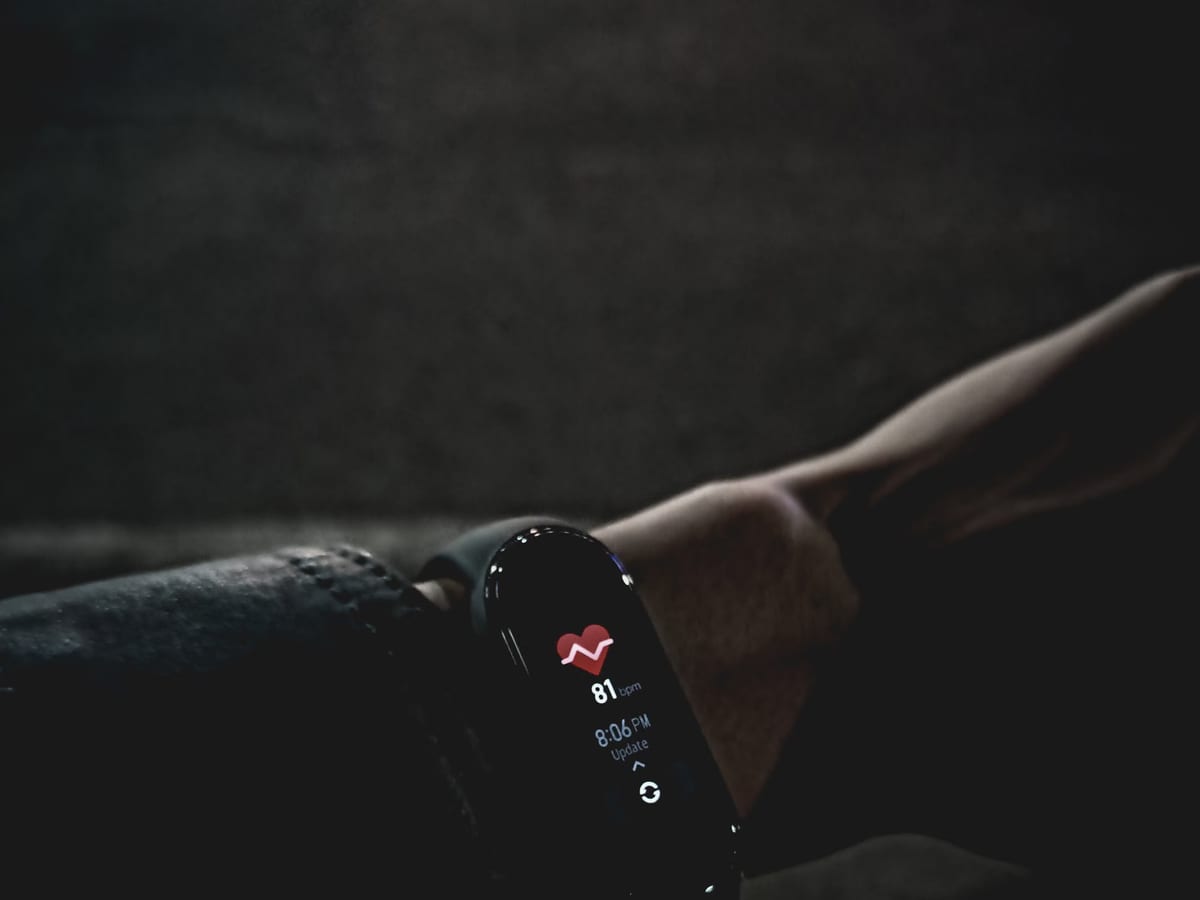
Wearable Telemetry Units
Body-worn sensor pods with 1000 Hz inertial capture, dual-band GNSS and an indoor local positioning fallback.
Module detail — Wearable Telemetry UnitsThe platform
Most performance departments do not need everything at once. They need one part of the chain fixed — usually the sensor layer or the analysis layer — without inheriting a decade of vendor lock-in on the rest. Every module below shares an athlete index, a time base and an export format, and every one of them can be the only thing you buy.
Modules
Hardware first, then the models that consume it, then the places the output has to travel to. Follow any link for the engineering detail, the limitations we know about, and what a deployment involves.
Body-worn sensor pods with 1000 Hz inertial capture, dual-band GNSS and an indoor local positioning fallback.
Module detail — Wearable Telemetry Units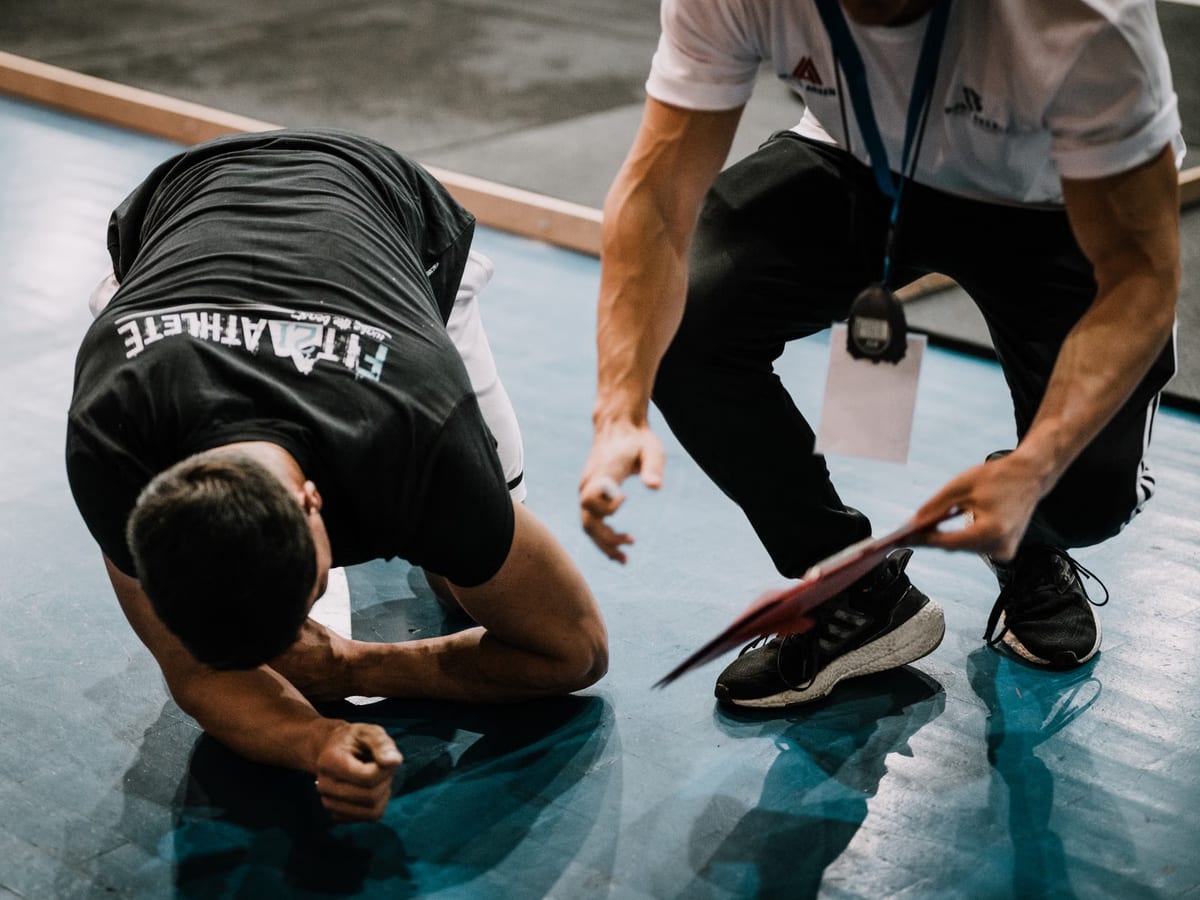
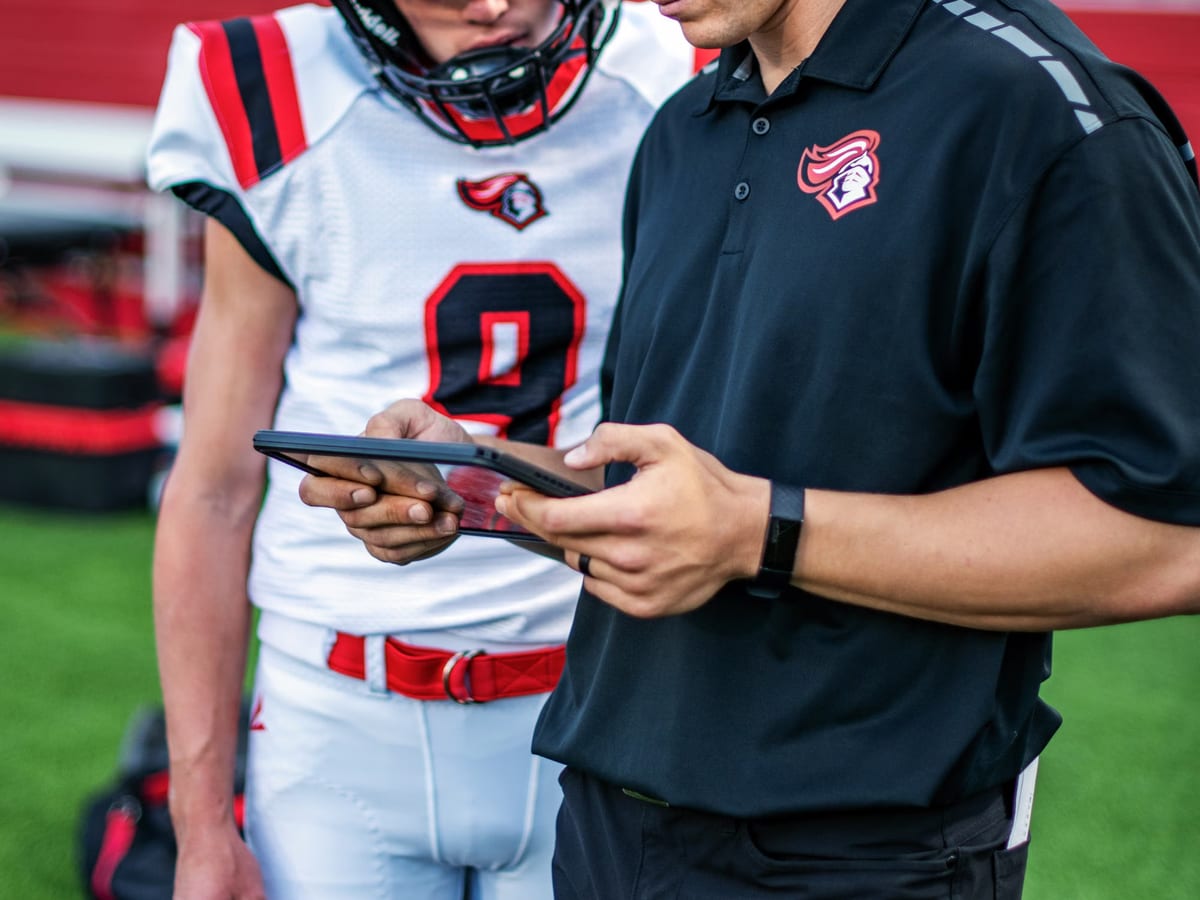
External and internal load in one model, with RMSSD-based readiness and honest uncertainty bands.
Module detail — Training Load & Readiness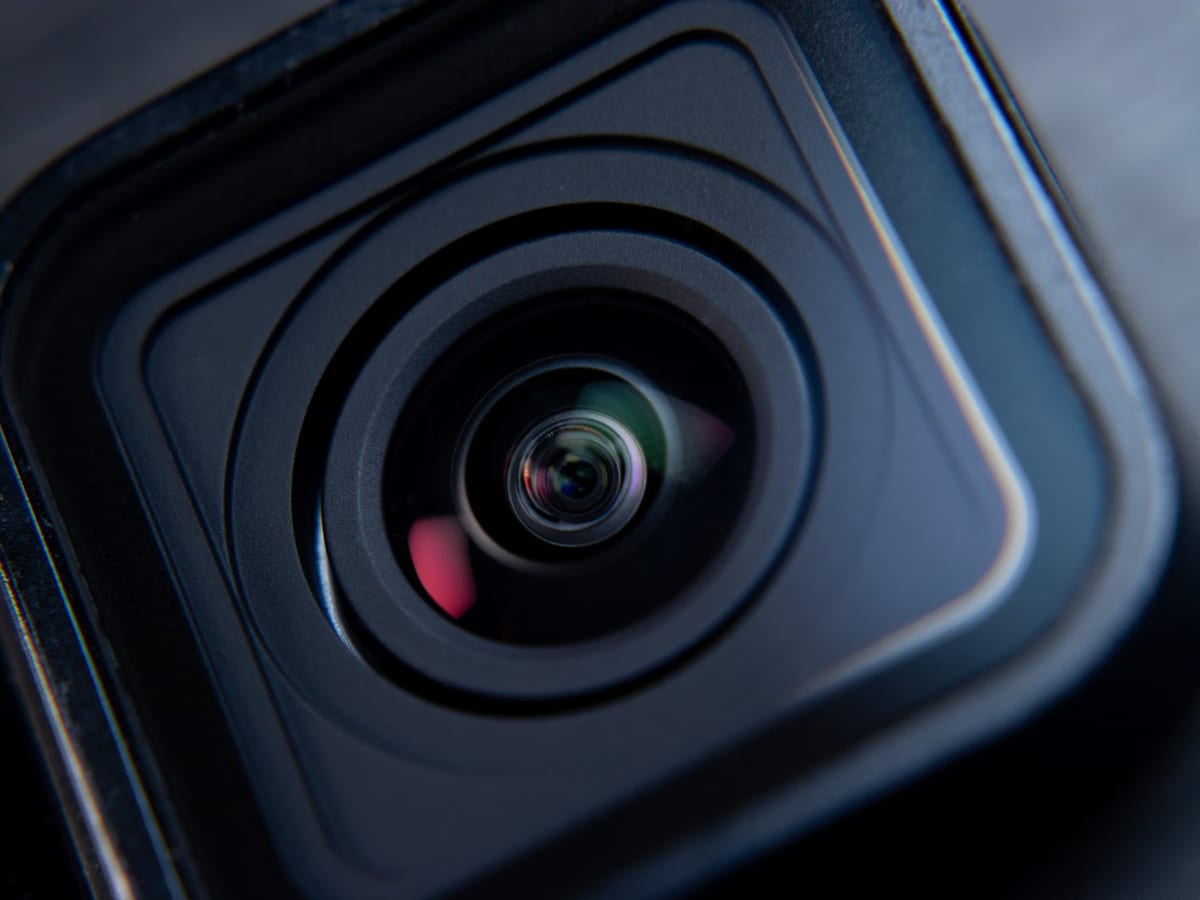
Multi-camera pose estimation for joint kinematics without suits, markers or a laboratory booking.
Module detail — Markerless Motion Capture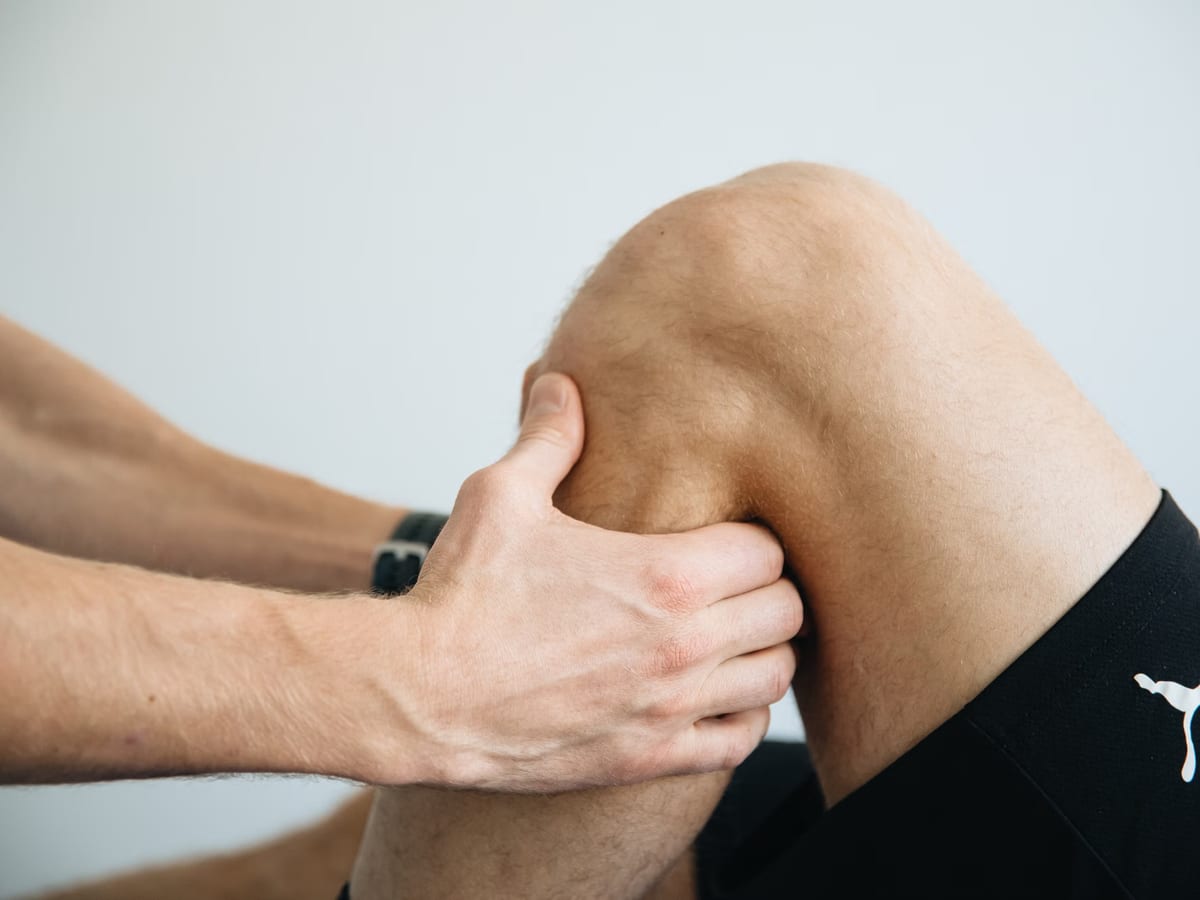
Survival models over exposure history that surface changing risk profiles instead of a single traffic light.
Module detail — Injury Risk Modelling
The browser workspace where squad load, availability and session planning live in one reviewable place.
Module detail — Team Analytics Suite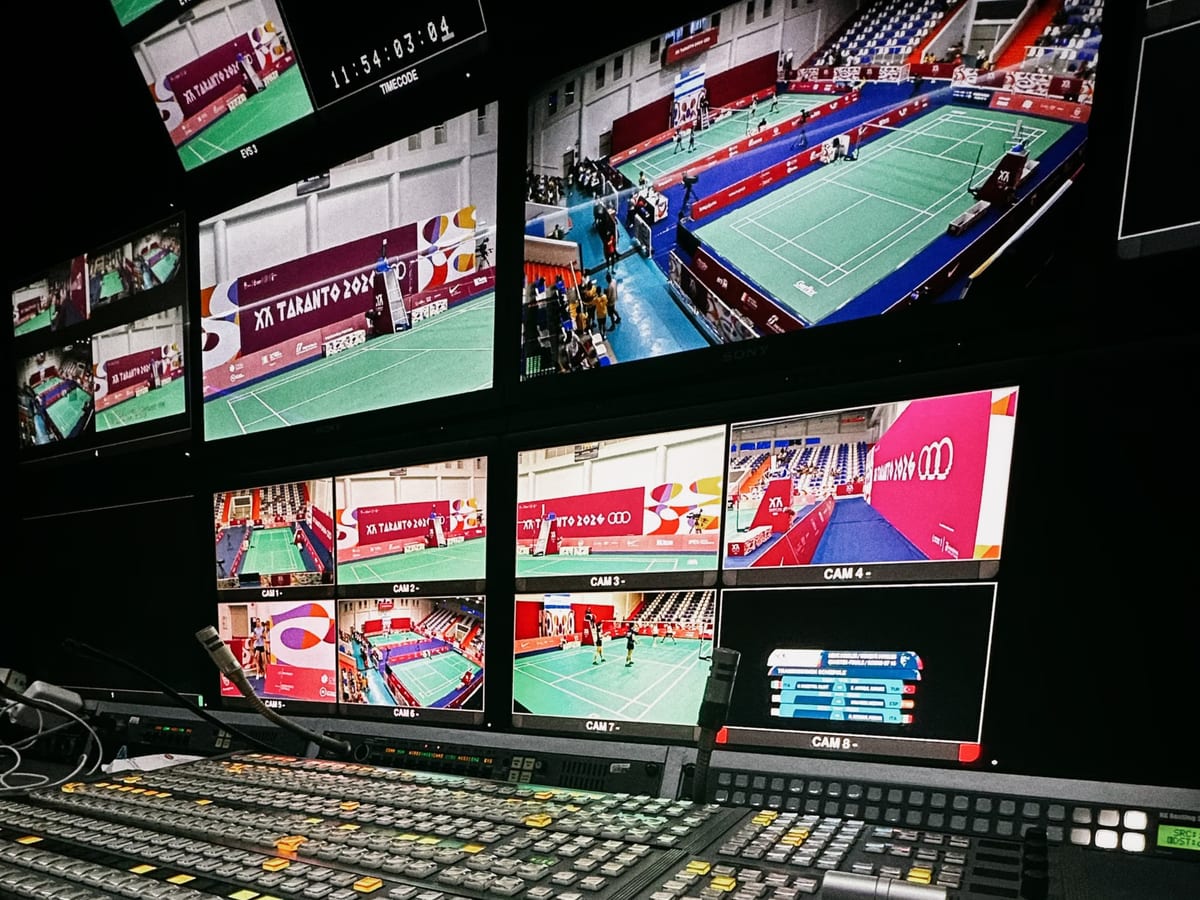
Sub-second, rights-controlled telemetry out to broadcast graphics, second-screen apps and league feeds.
Module detail — Live Broadcast Data FeedsPrinciples
These are not marketing lines; they are the constraints we design against, and the reason some obvious features are missing.
Every derived value carries the algorithm version that produced it. When we change a model, historical sessions are not silently rewritten — you can recompute deliberately and compare the two.
Where a figure has meaningful measurement error, the interface shows a range. A single tidy number that hides its own noise is the fastest route to a bad selection decision.
CSV, FIT, JSON and documented raw binary. If you cancel, you keep the archive in formats that other tools can read. Data portability is contractual, not discretionary.
Role-scoped access, regional data residency, per-field consent for anything that leaves the club, and an audit log the athlete's representative can request.
Getting started
Four to six weeks from signature to handover for a single senior squad. Multi-squad academies and multi-venue clubs take longer, mostly because of the indoor positioning survey.
If your primary use case is something our models handle weakly — for example single-sensor estimation of joint loading, or sleep staging accurate enough for a clinical decision — we would rather say so at the scoping call than defend it in month four. There is a list of these in each module page under “What this does not do”.
Background reading
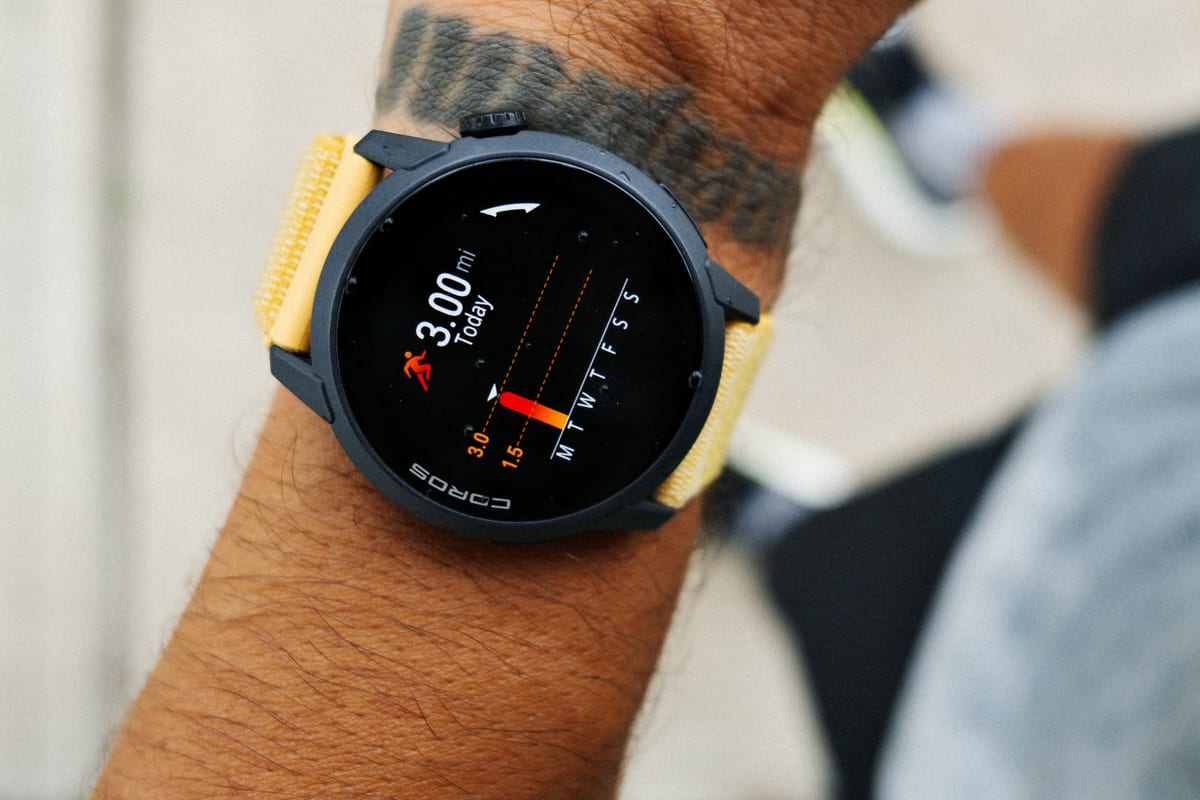
RMSSD is a genuinely useful signal and a badly abused one. How to read heart-rate variability without over-claiming.
Read the note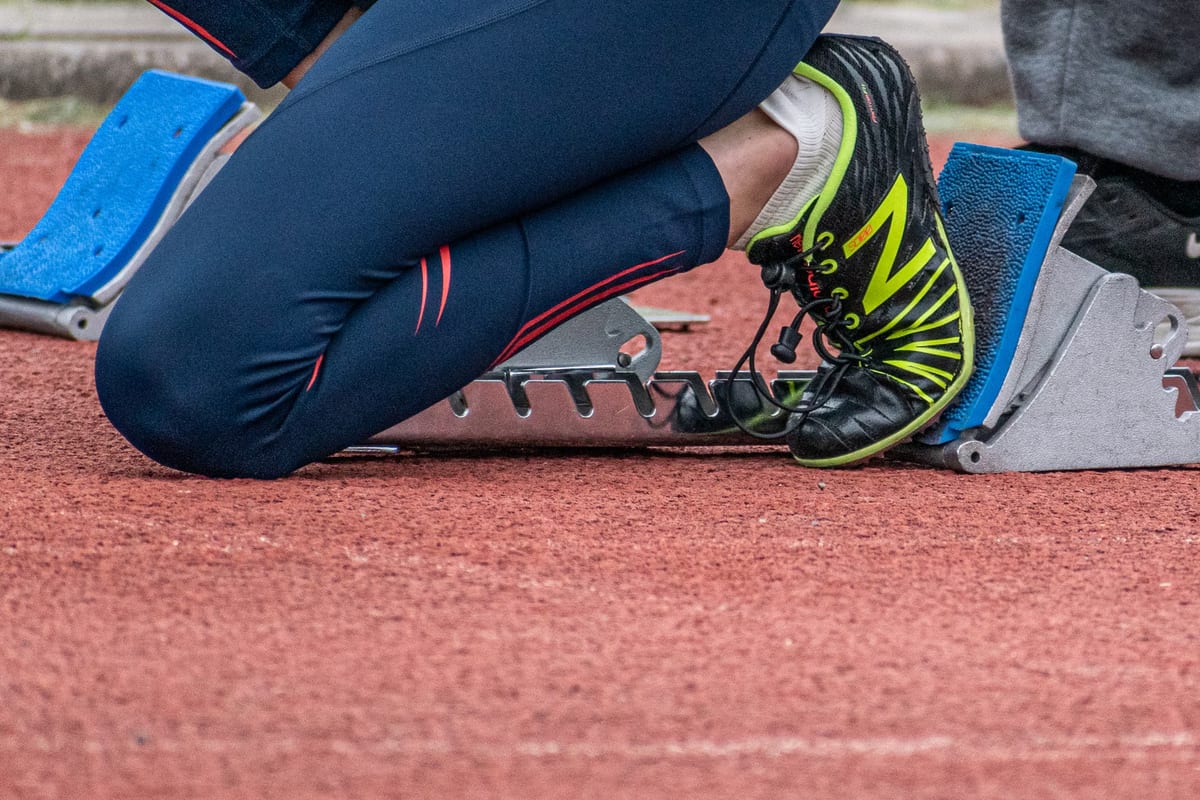
What a single trunk-mounted inertial unit can and cannot say about left-right differences in maximal running.
Read the note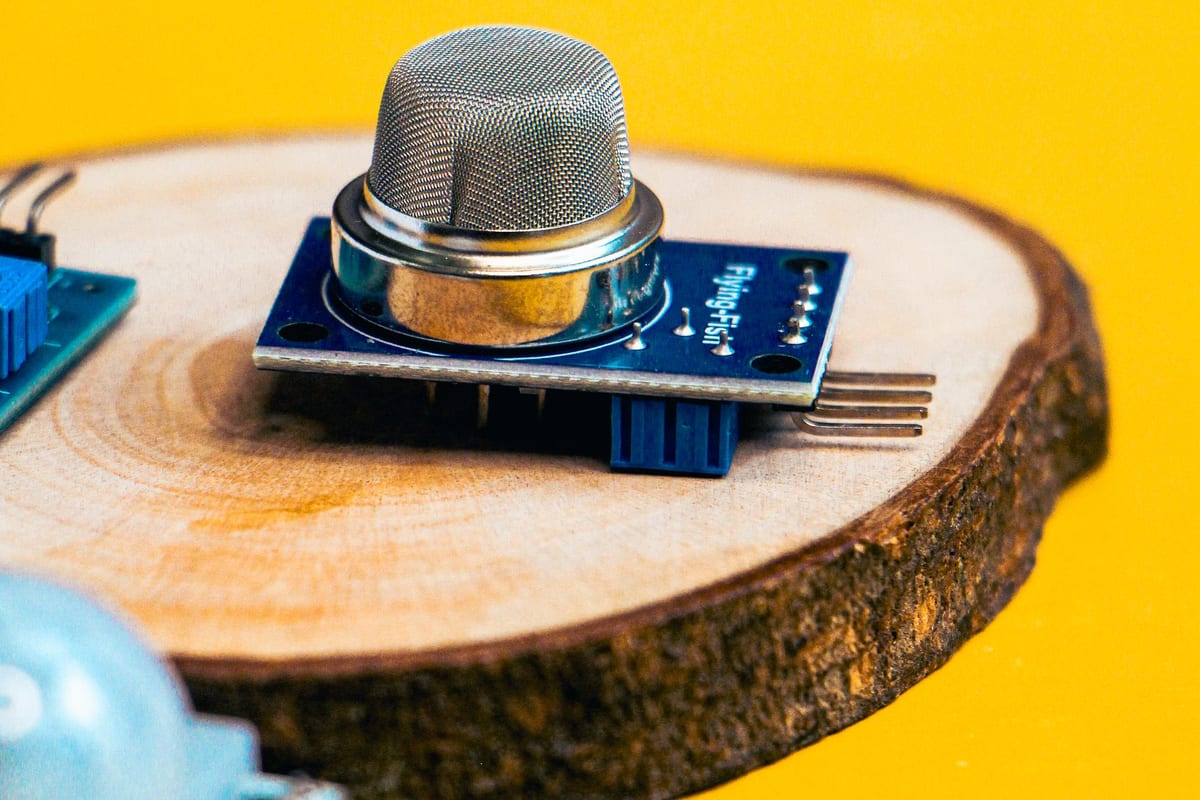
Soft-tissue artefact, harness tension and pod orientation cost you more accuracy than any algorithm gains back.
Read the noteMost conversations start with one specific frustration — an export that will not reconcile, an indoor venue with no positioning, a readiness score nobody trusts. Start there.